HOLY ISLAND
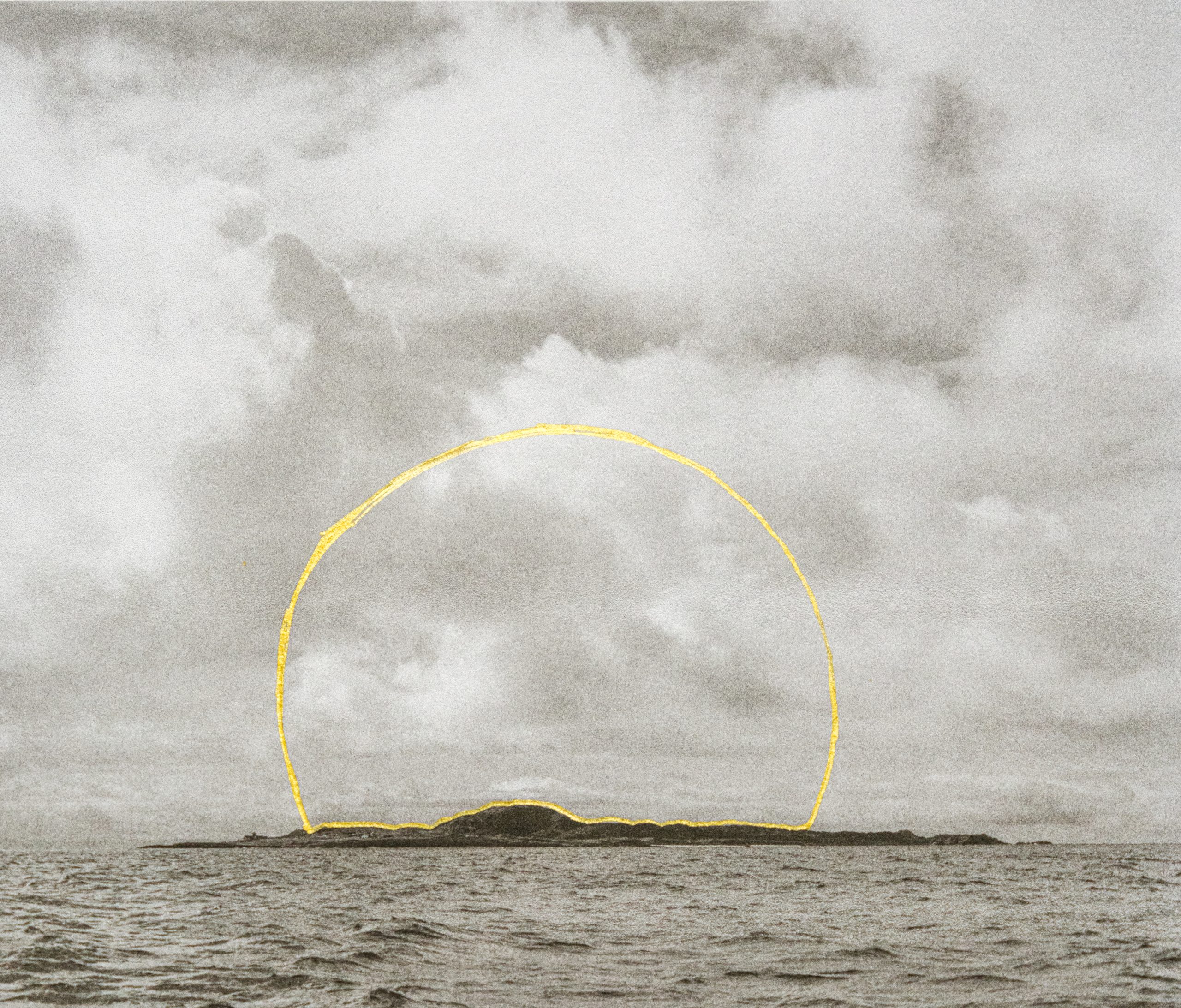
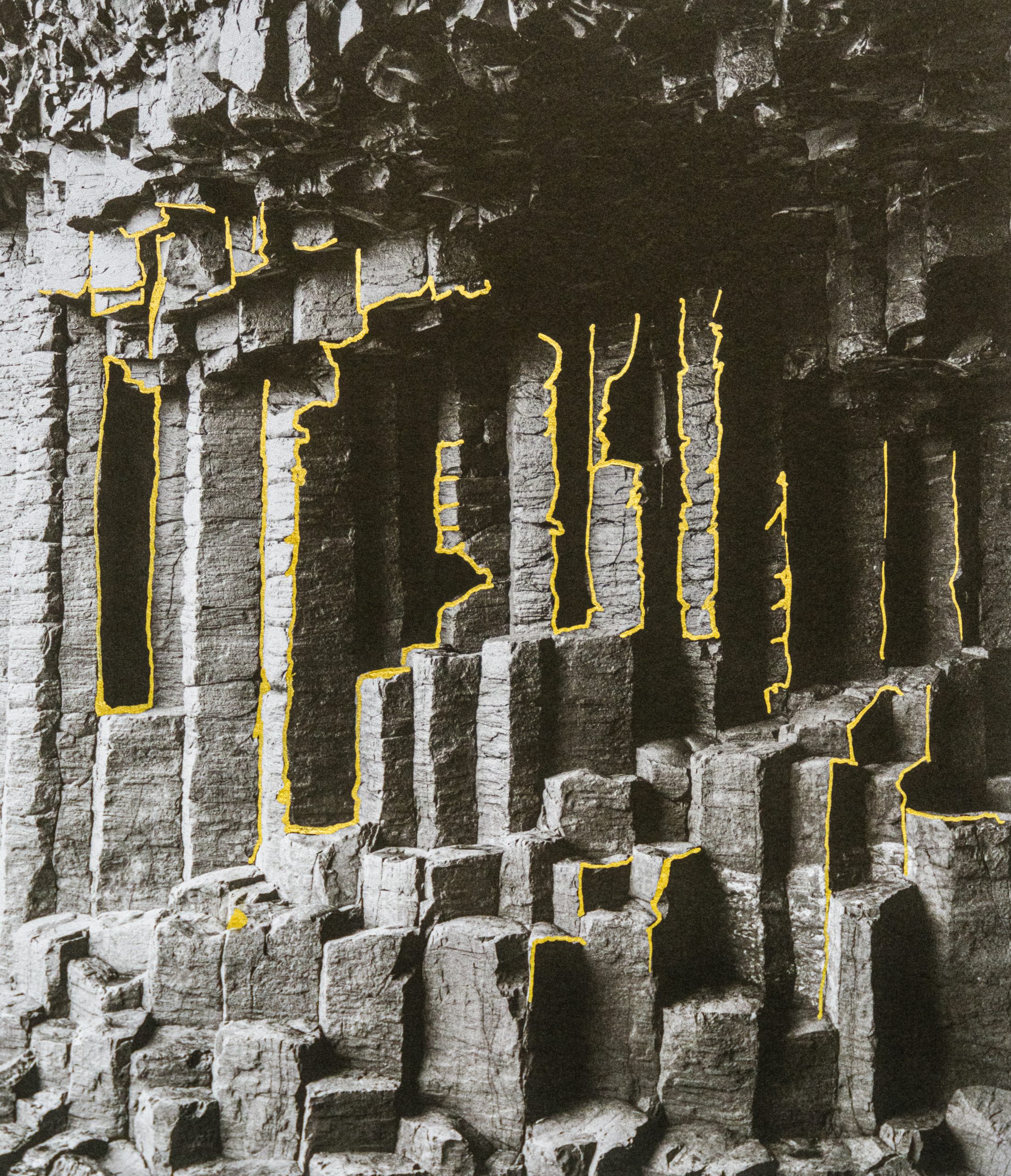
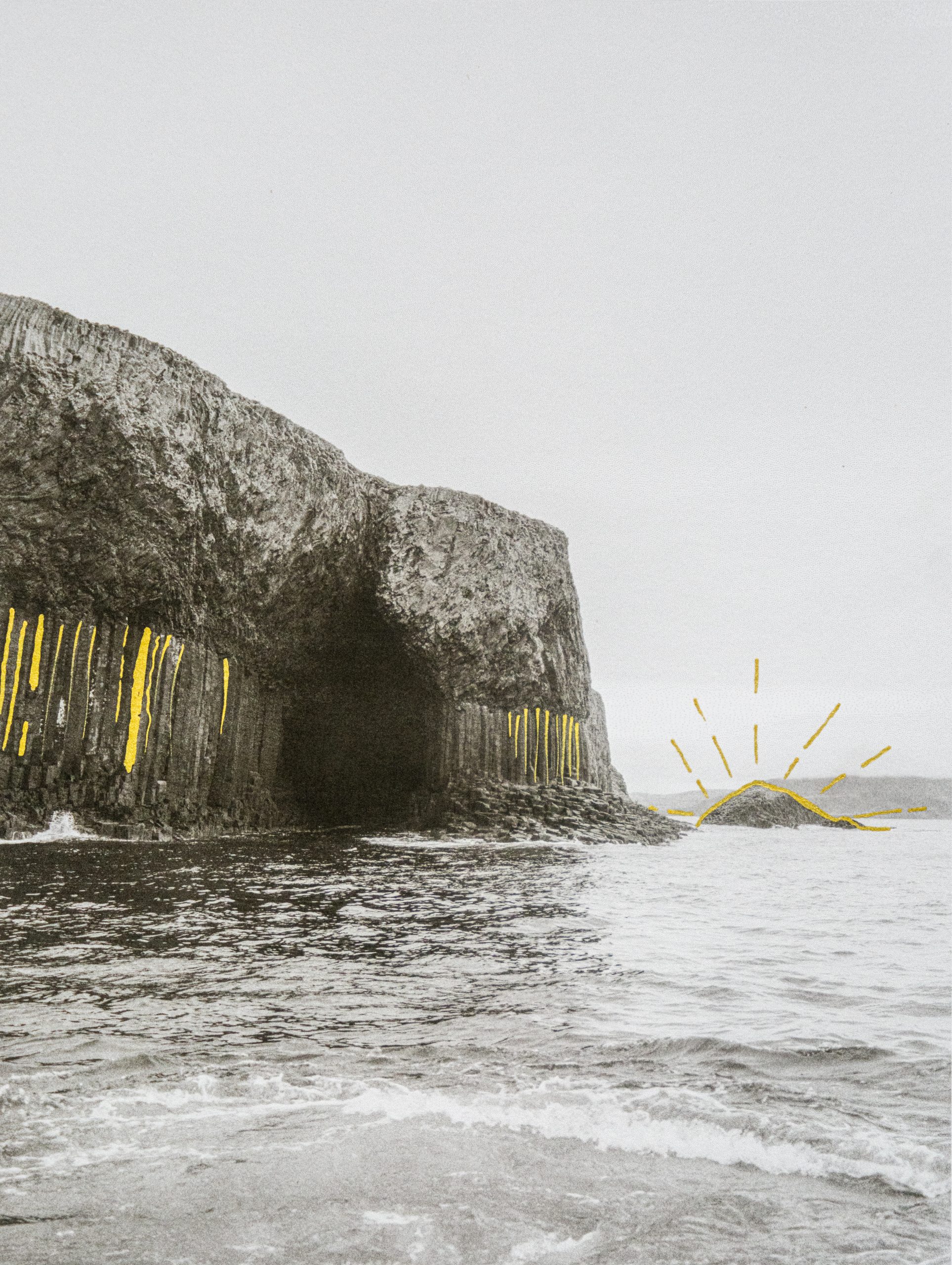
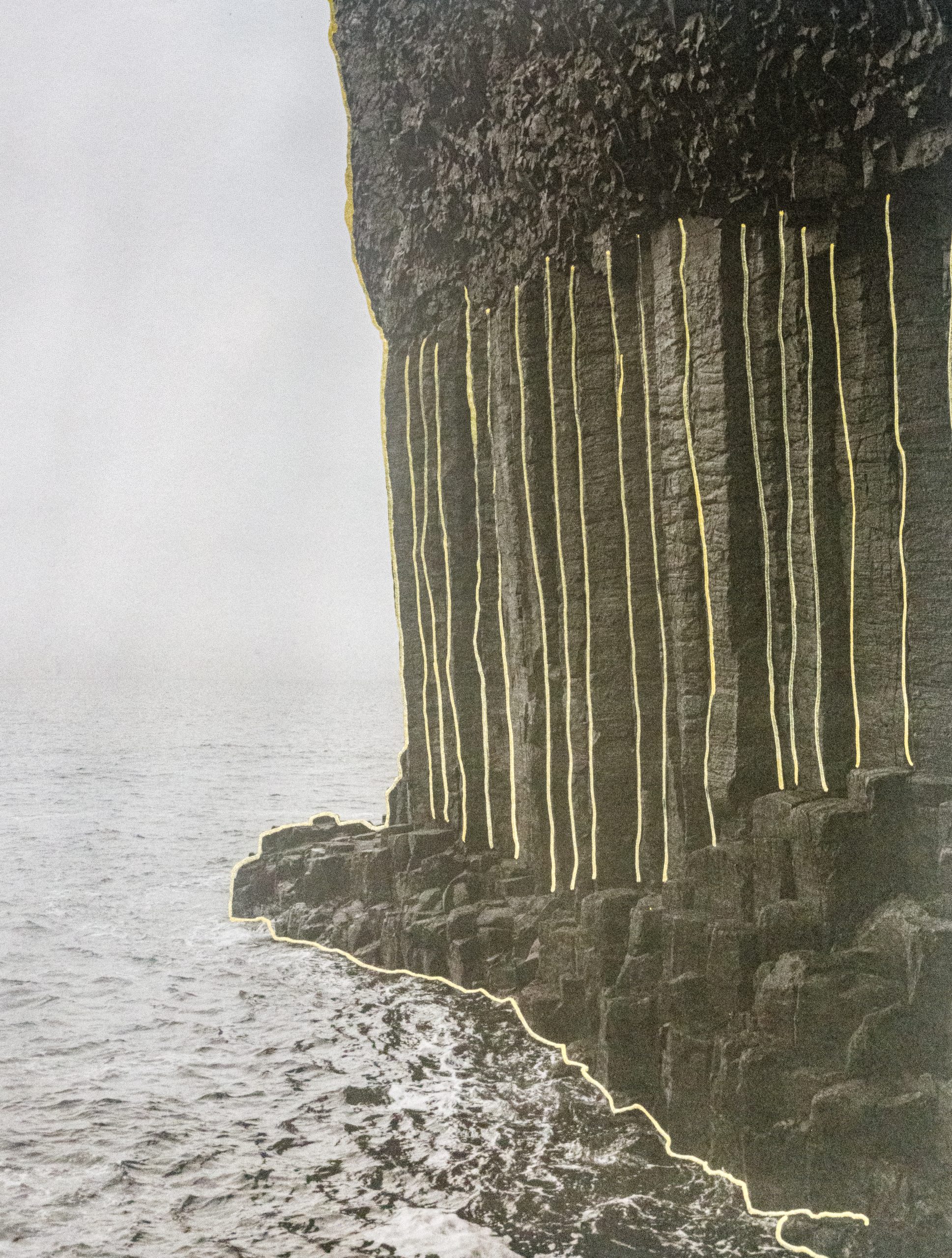
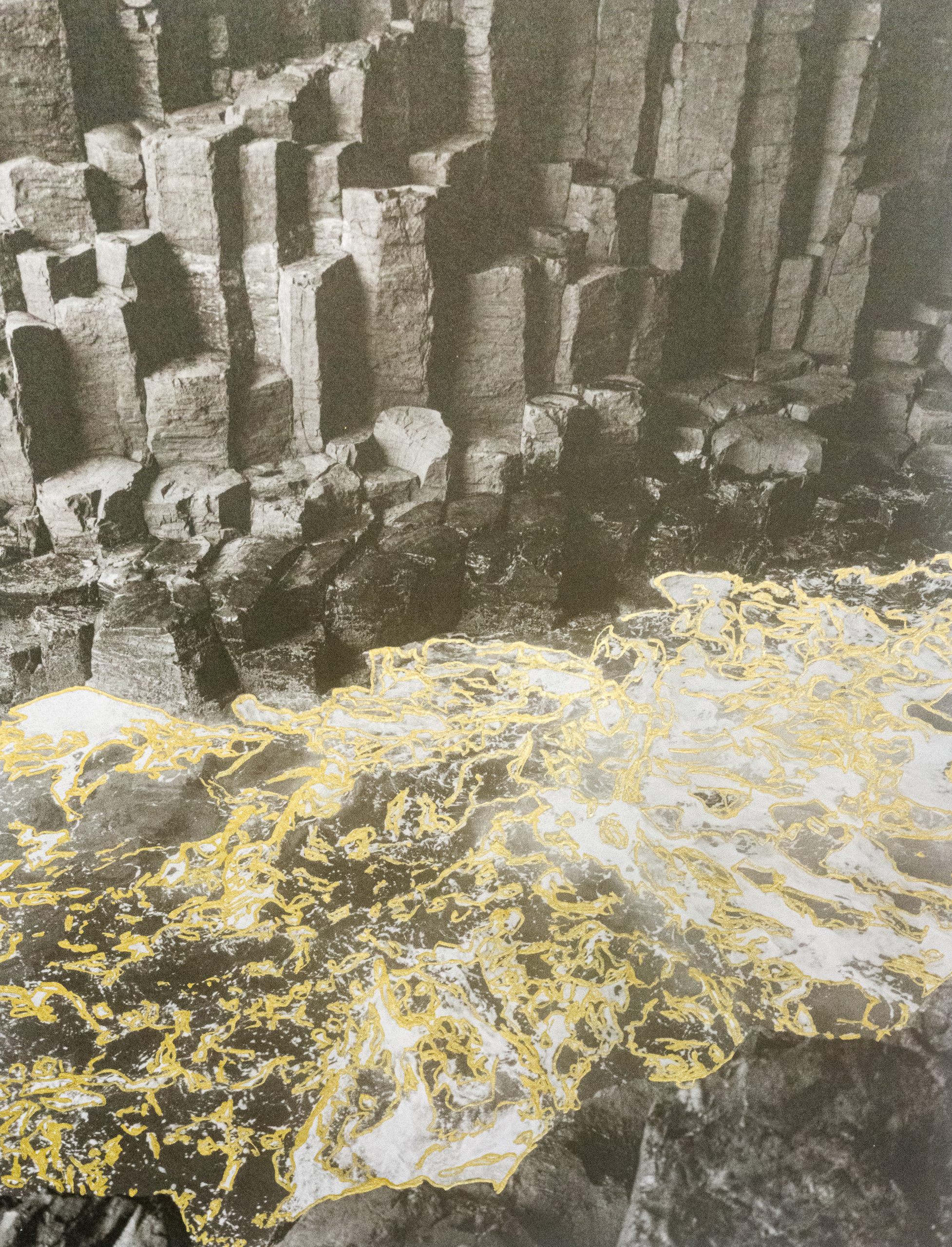
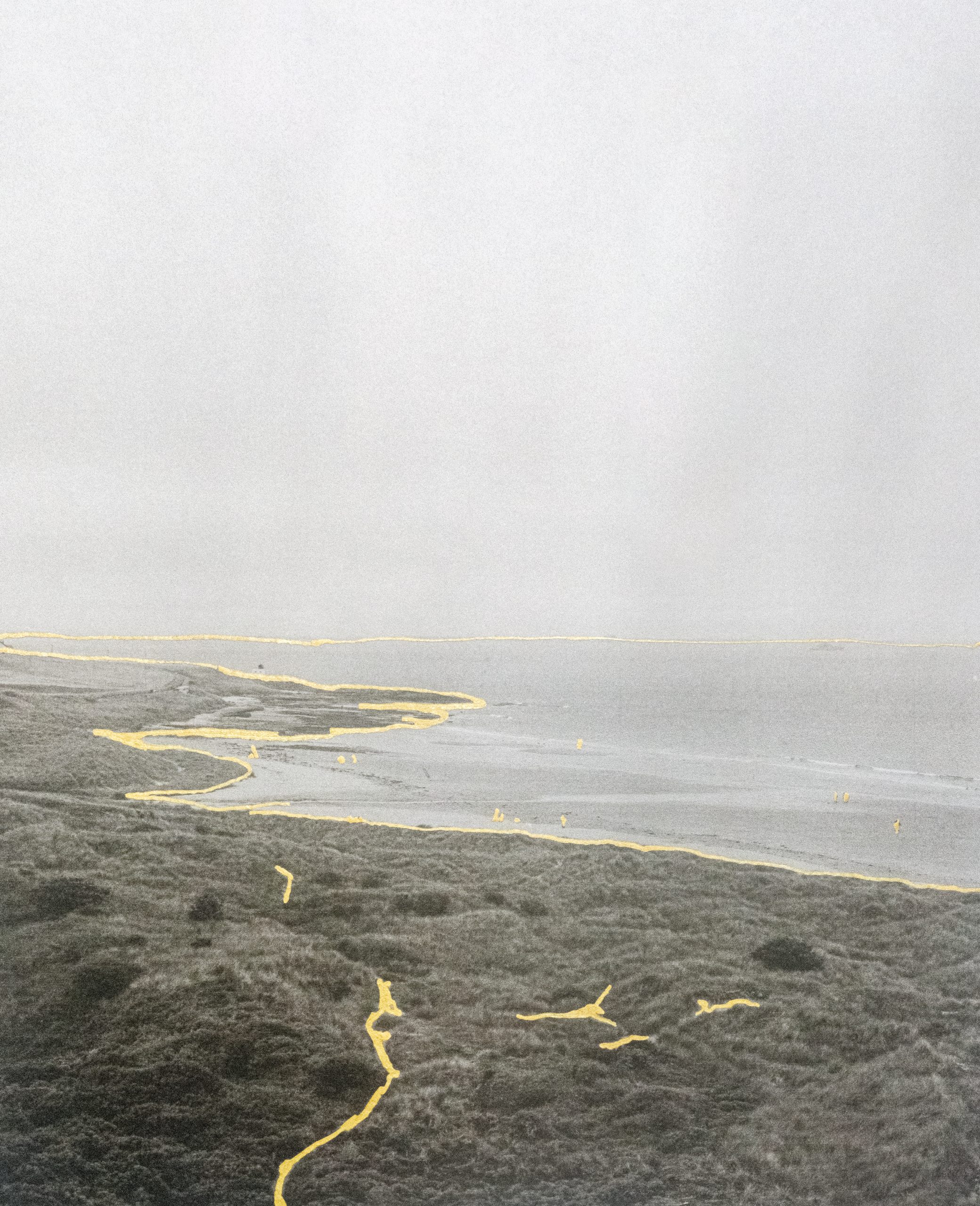
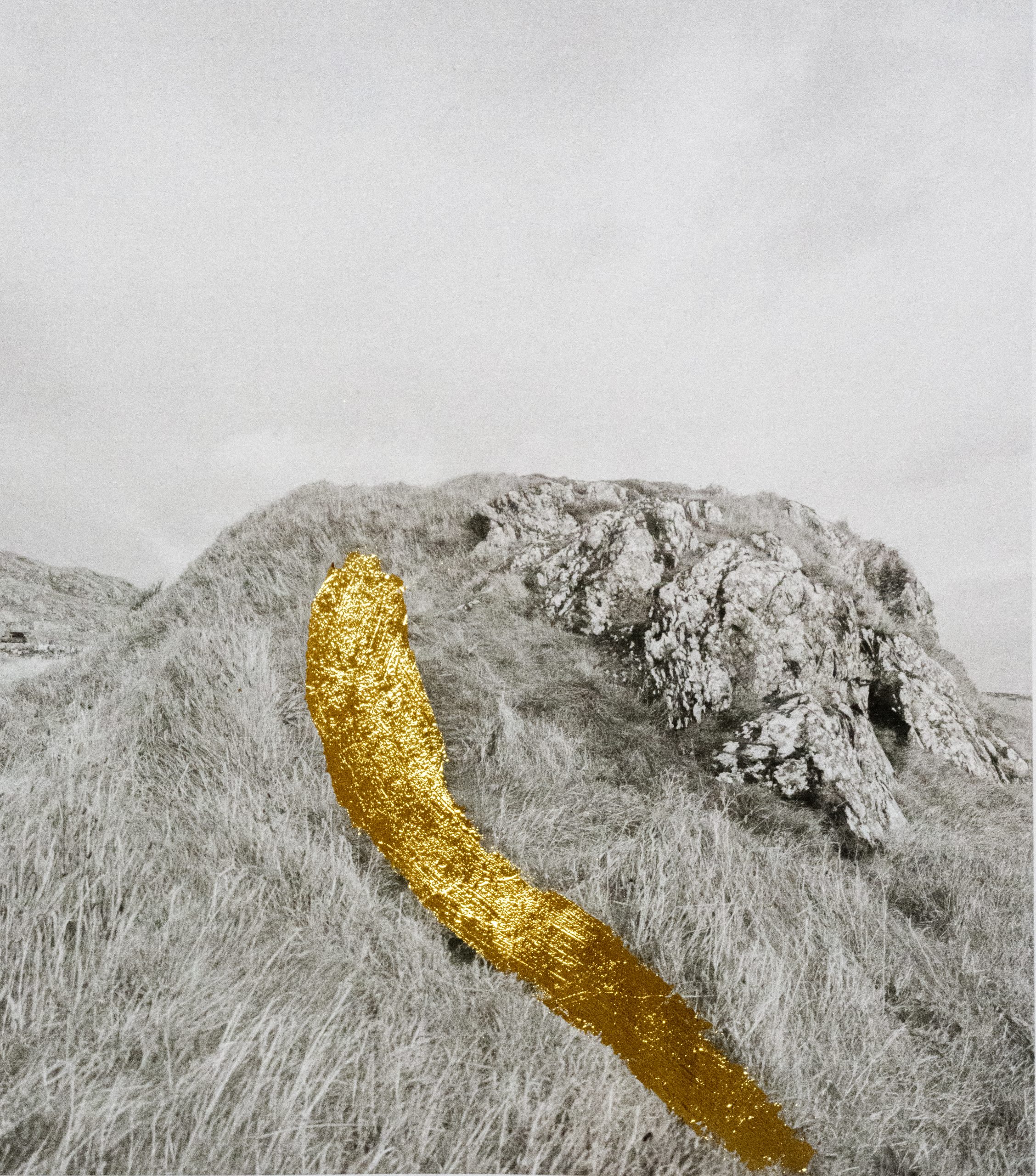
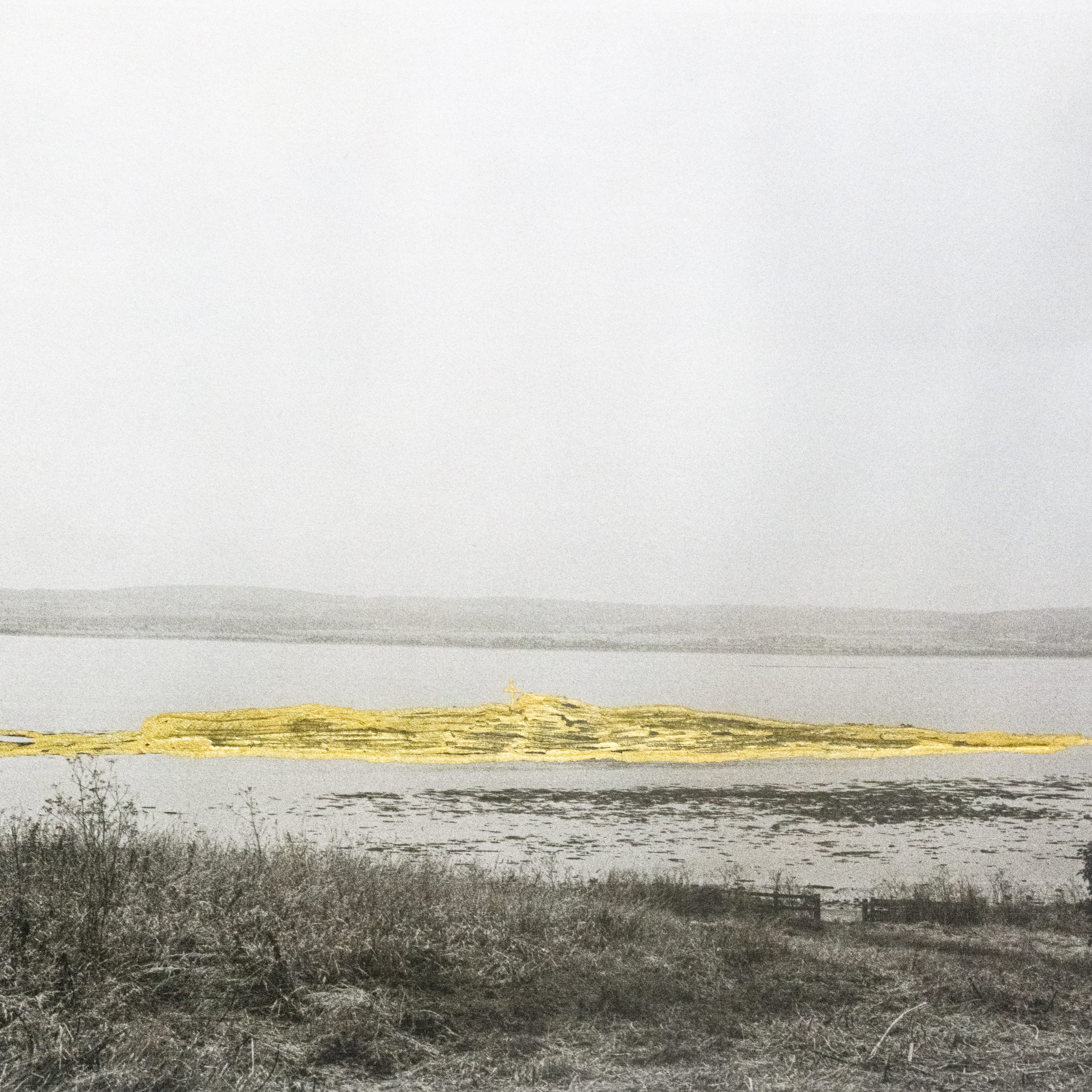
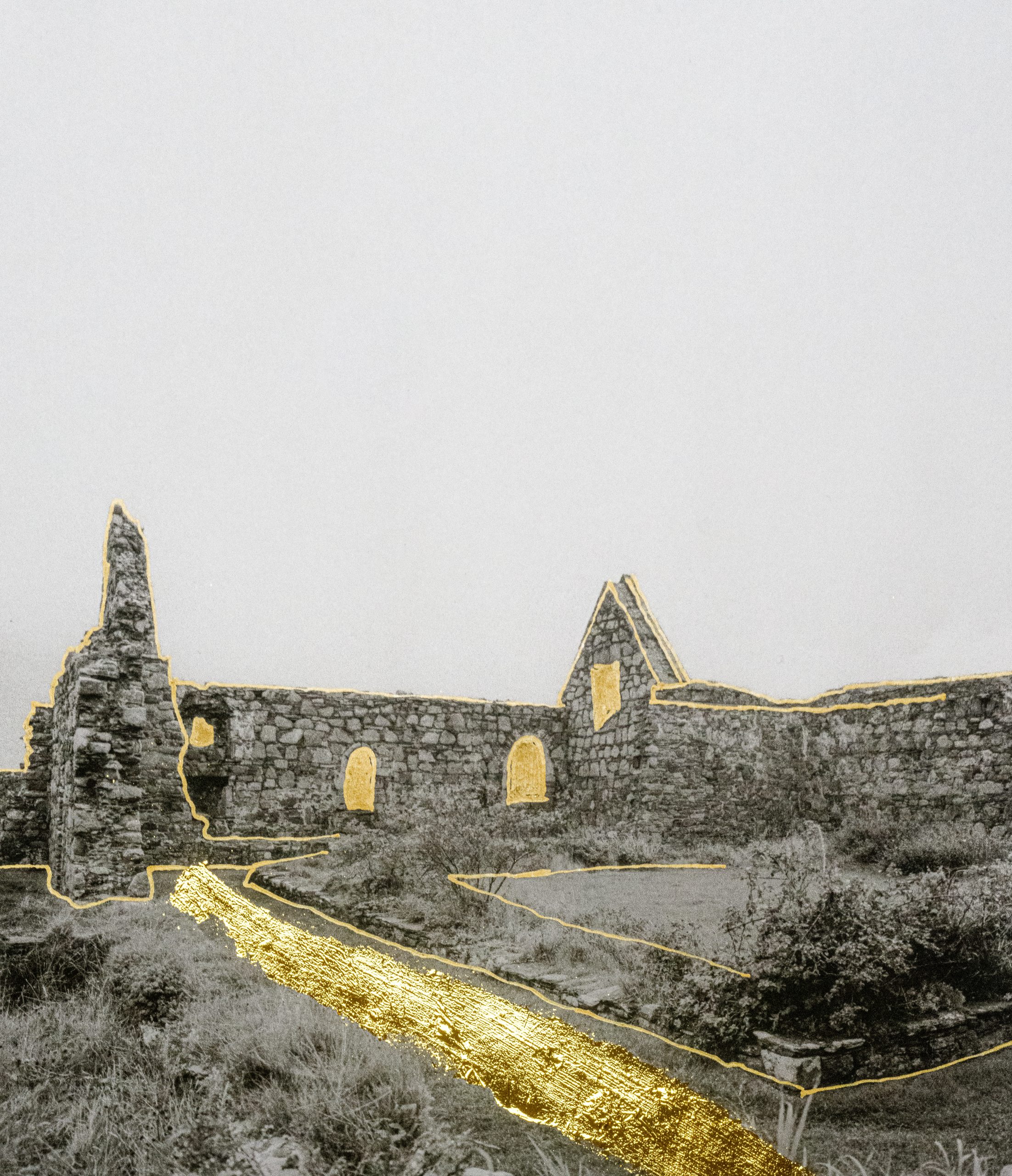
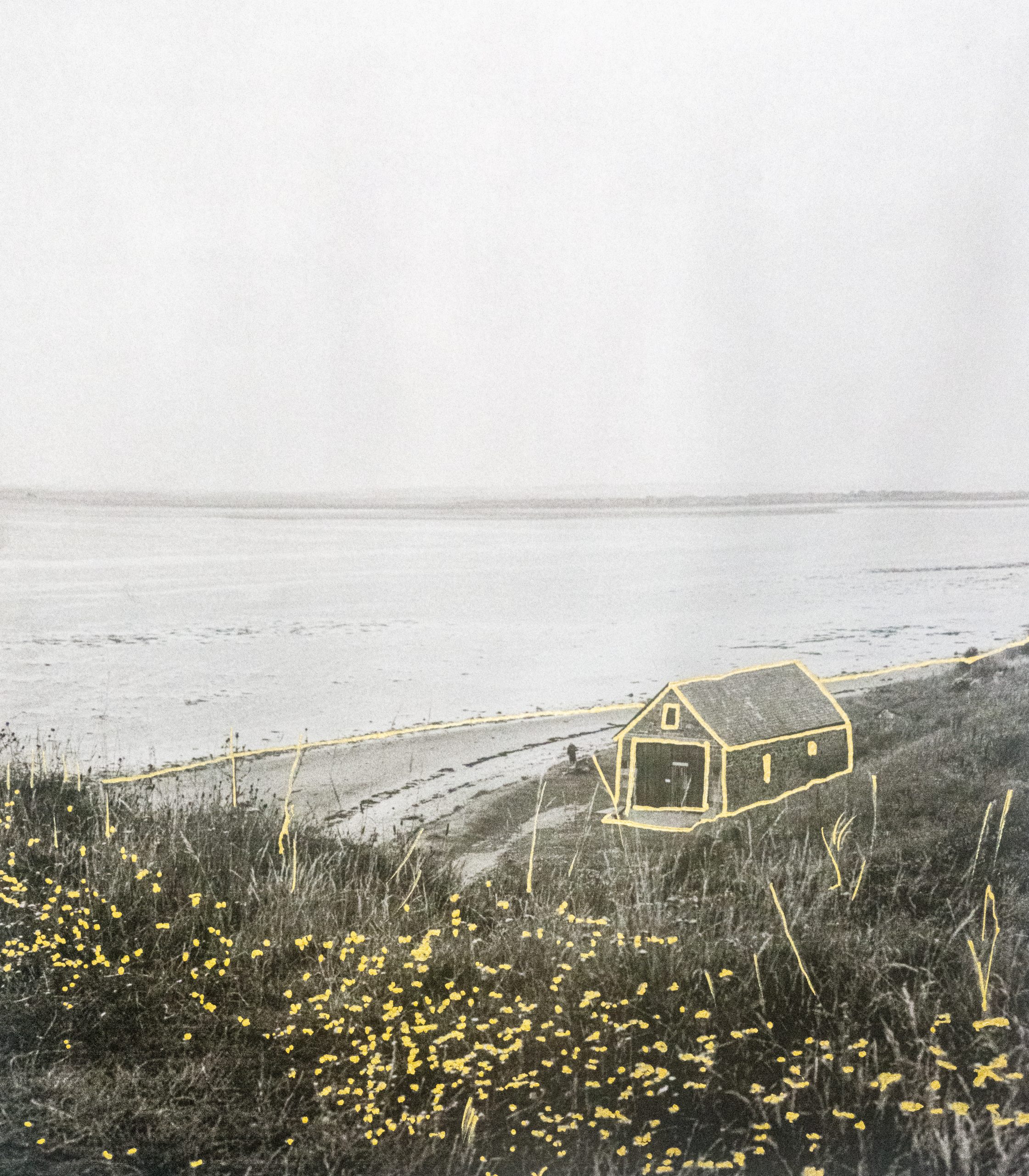
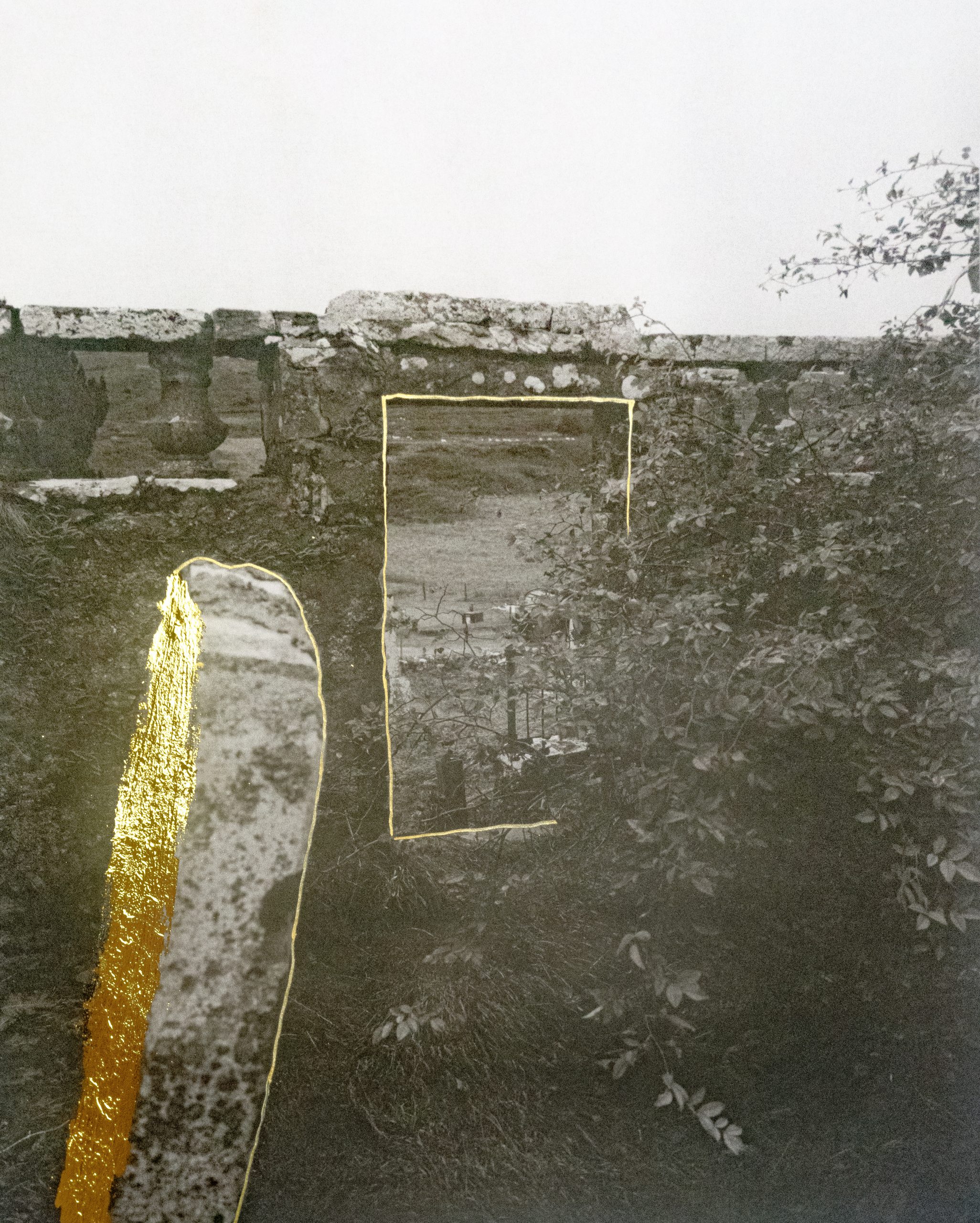
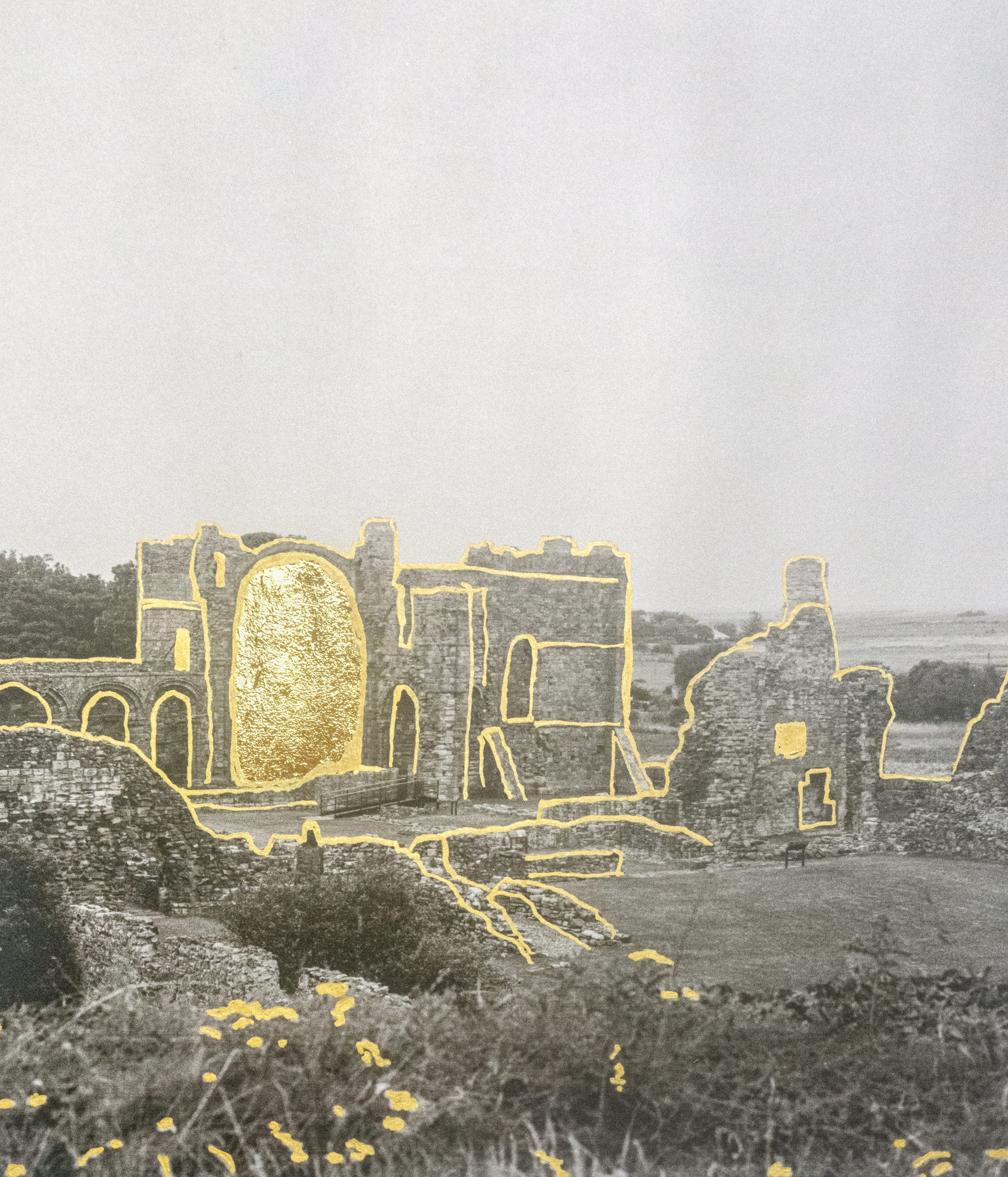
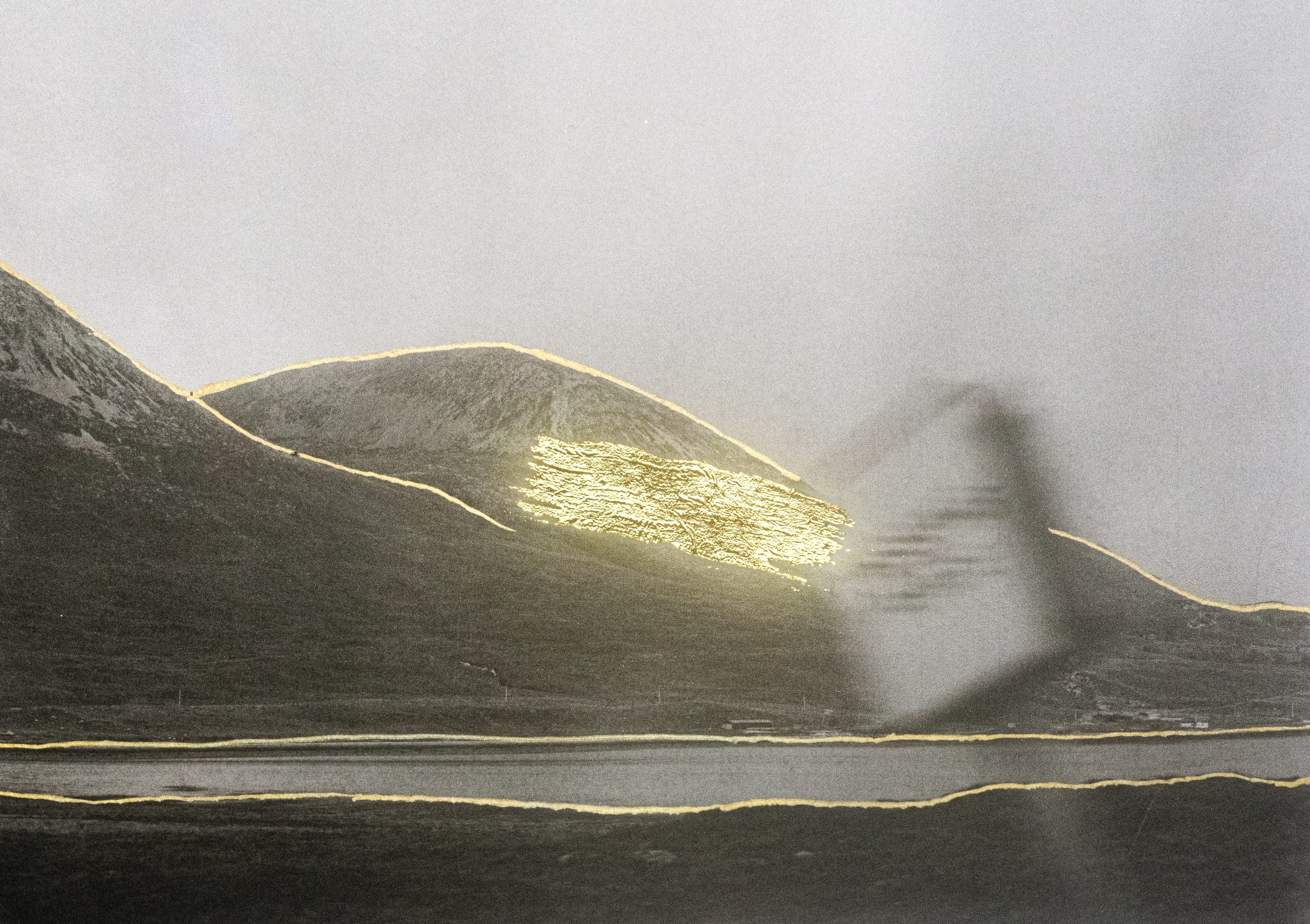
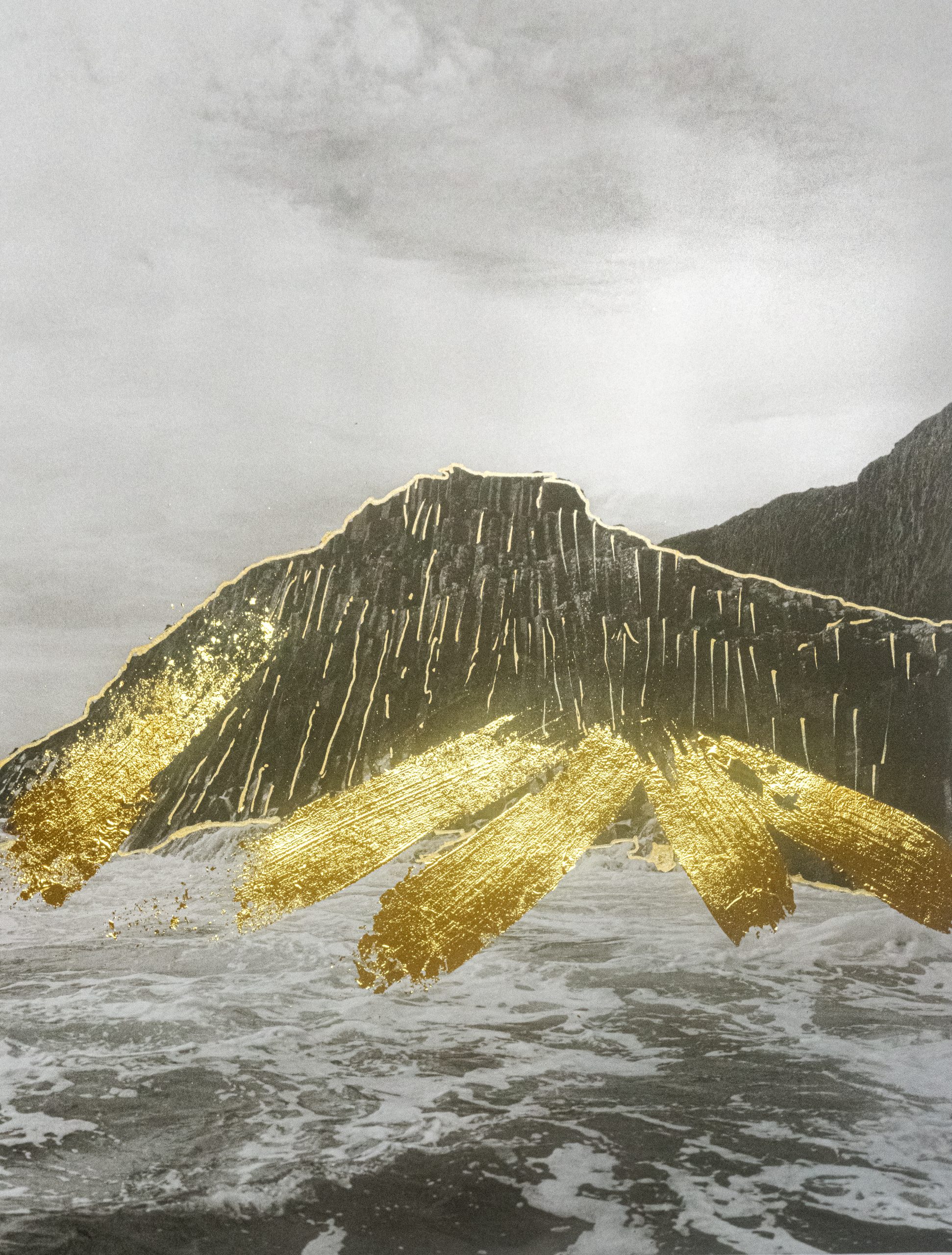
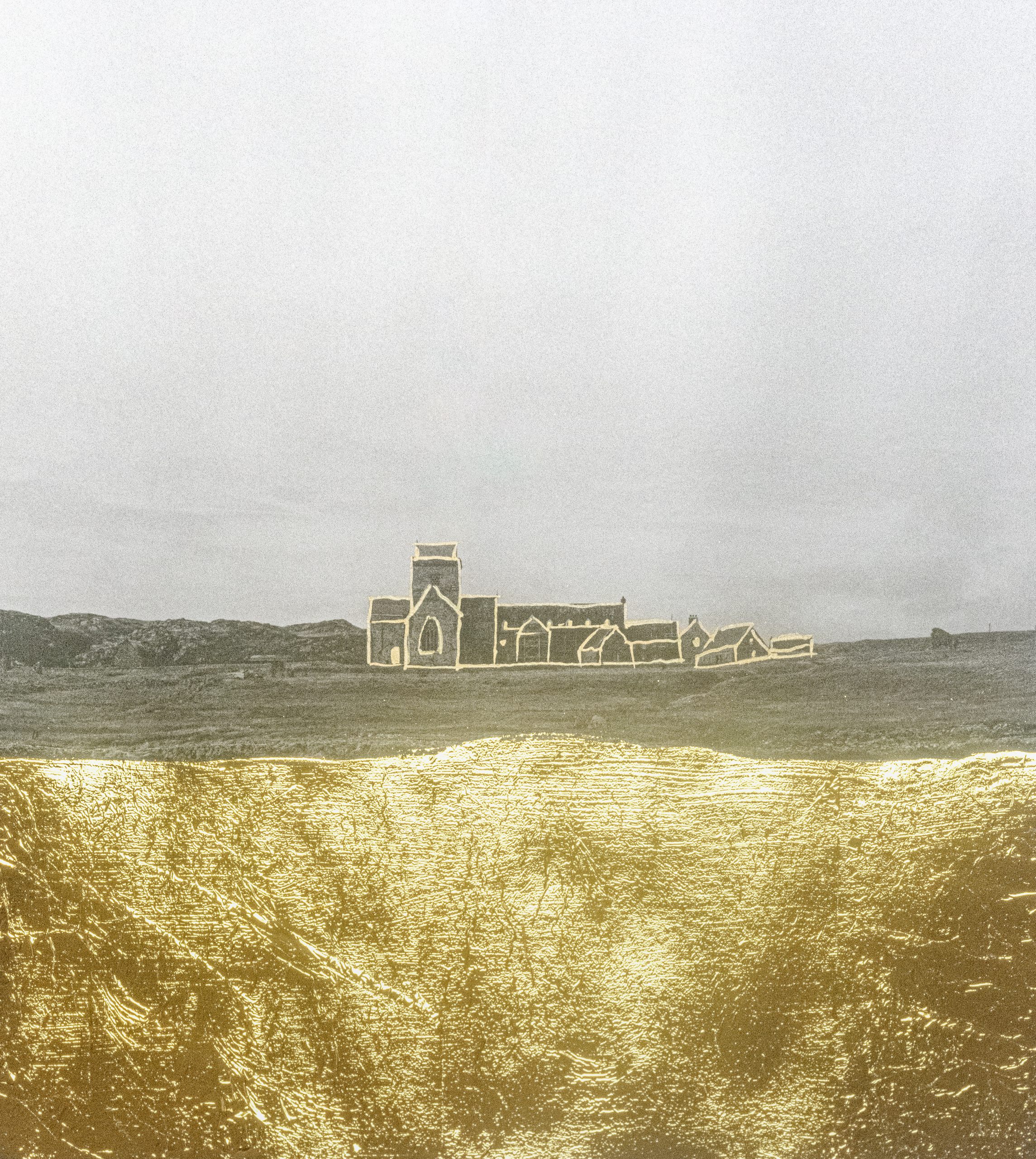
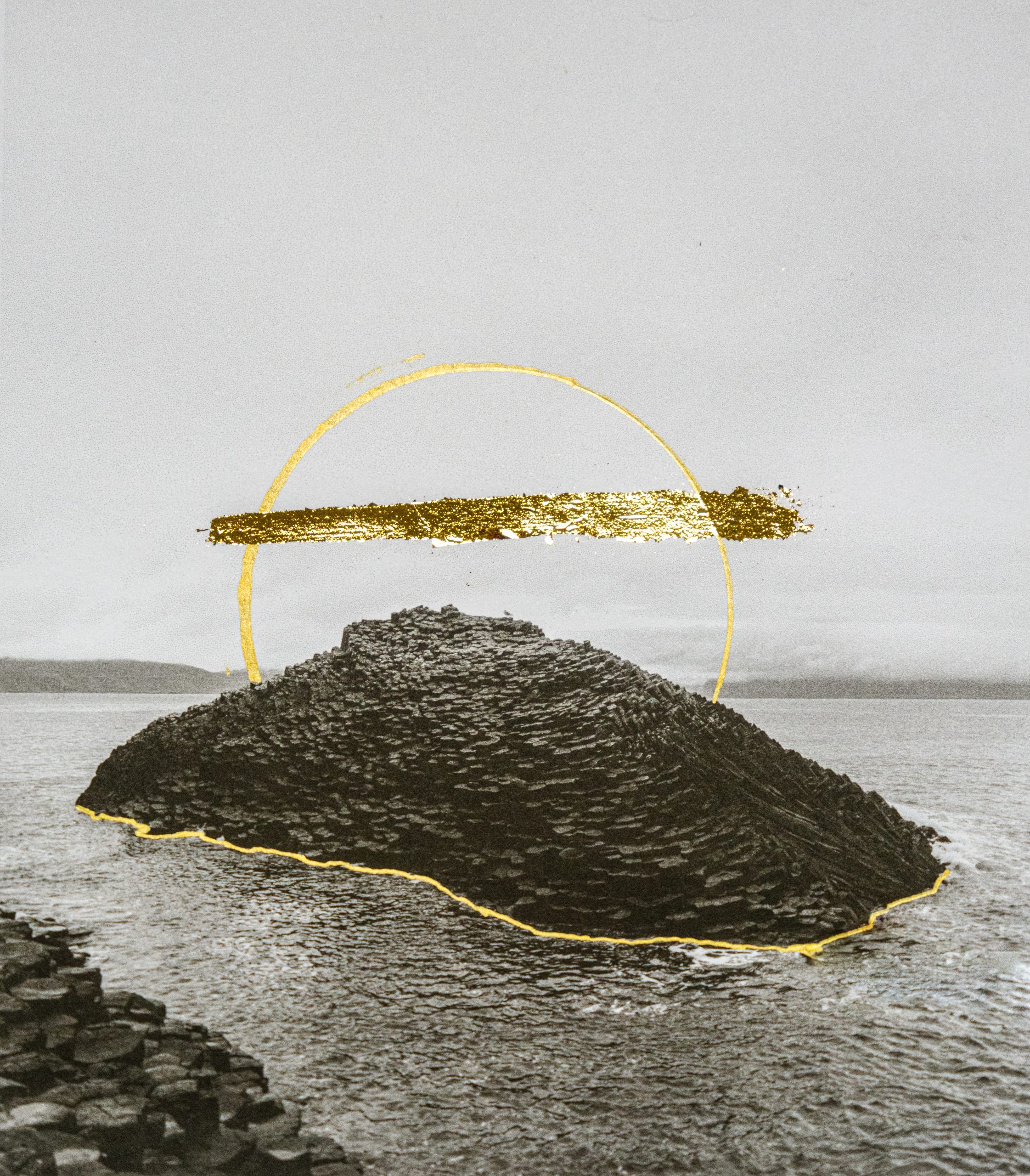
The Celtic Christian tradition insists that God, though invisible, makes himself known through the created world. If you slow down and still your soul, the rhythms of the natural world will reveal the God who created them. Closeness to nature enables believers to cultivate an awareness of God through contemplation and prayer.
This tradition dictates that the islands of Iona and Lindisfarne are ‘thin places’ – regions where the veil between heaven and earth feels almost worn through. Some say that these spaces are made ‘thin’ by the collective weight of generations of prayer, as both these places have had a monastic communities present for over a thousand years.
I chose to make a pilgrimage to both Lindisfarne and Iona in search of these thin places. This work is the result of these trips and my attempt to understand the invisible. These journeys to such wild and rugged places helped me to rekindle my sense of awe that I so often lose when living in environments dominated by human design. No human hands carved the caves of Staffa or shaped its mighty basalt pillars, yet they called my soul to worship in a deeper way than the churches and cathedrals so laboriously constructed for the same purposes.
By using leaf gold, I seek to appropriate the visual tradition of Christian iconography to draw out features of these landscapes. Gold is used in icons for this same reason, to symbolise and extol the virtue and goodness of the saints. By focusing the eyes of the viewer on specific aspects of these scenes I hope to enable the same sense of God’s presence in these places and objects that I felt while I was there. The photograph alone was insufficient to express my interior swell.
These landscapes have stood for 60 million years and yet they have only served as refuge for seekers and mystics for a tiny proportion of that time. They have hosted theologians like St Cuthbert and St Columba, social justice movements like the Iona abbey community and given rise to Felix Mendelssohn’s Hebrides overture.
Great lengths are being taken by conservationists to keep Iona and Lindisfarne wild. The natural barrier of the sea creates a separation between the mainland and these holy places. And while small communities call both islands home, they live closely in tune with the rhythms of the natural world. The tides dictate their comings and goings and there is little that is convenient about life here.
Pilgrimage is not supposed to be easy; it is the challenge that shapes and forms the character of pilgrim. By making a pilgrimage to these thin places, I have begun to listen more closely to the rhythms of the natural world. When I am quiet, I can hear this wildness crying out in worship.